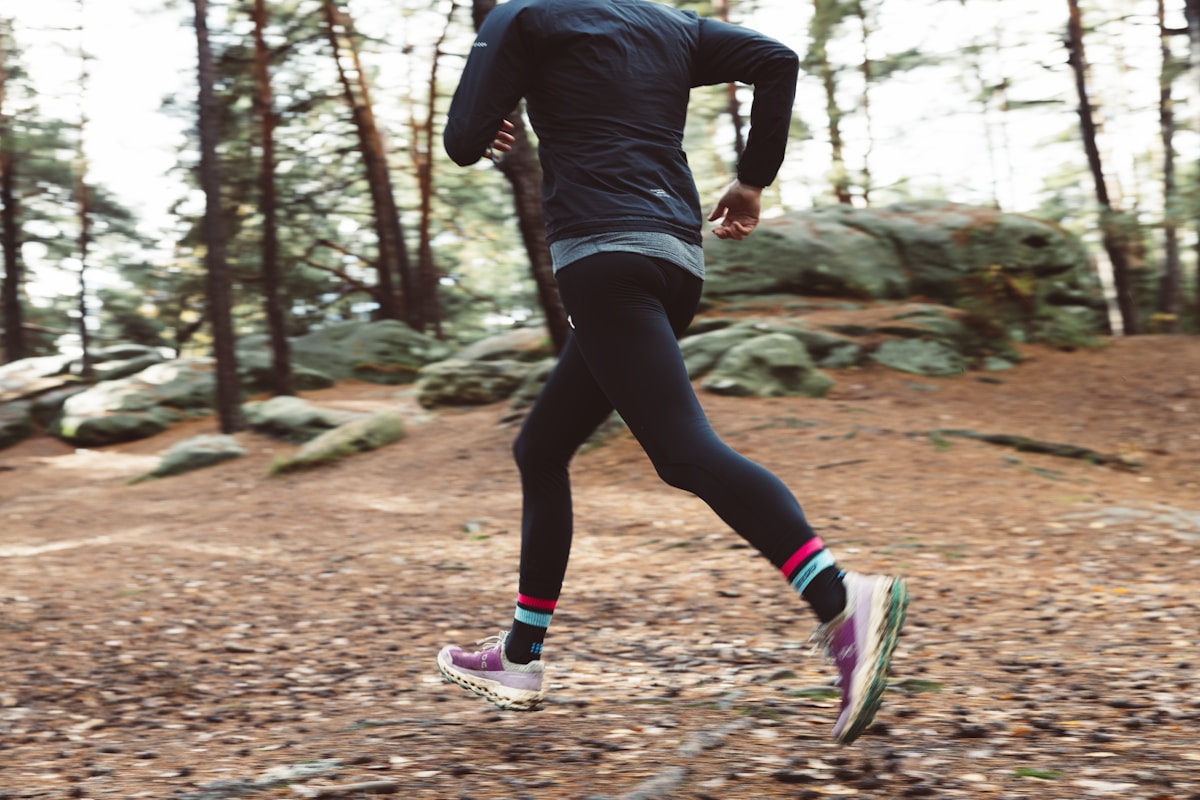
Walk any start line in Singapore and you'll see them everywhere: compression socks. But do they actually do anything for runners — or is it just expensive marketing? Here's a straight, physiotherapy-led answer.
What compression socks actually do
A compression sock applies firm, even pressure around the lower leg. Here is what studies and runners most often report:
- Legs can feel less heavy. Many runners describe less of that "heavy-legged" feeling late in a run.
- Reduces muscle oscillation. Less vibration in the muscle during impact means less micro-fatigue over a long session.
- Recovery feel. This is where studies are most consistent — wearing compression after hard efforts is often linked to less perceived soreness.
What the research supports (and what it doesn't)
Be realistic. Compression socks are not a magic performance booster — they won't knock minutes off your PB on their own. What they reliably help with is perceived fatigue and recovery. For most runners, that's the real win: legs that feel fresher during long runs and bounce back faster afterwards.
Why it matters more in Singapore
Long runs in 30°C heat and 80%+ humidity load your feet and lower legs hard. Add sweat-soaked socks sliding inside your shoe and you get fatigue and friction. That's why the sock itself — not just the compression — matters: it has to grip, wick and support all at once.
The VANTAGE approach: targeted, not generic
Most compression socks squeeze the whole calf and ignore the foot. VANTAGE socks were designed by a physiotherapist around a different idea — support where injuries actually start:
- Taping Compression wraps the ankle and arch, modelled on how a physio tapes an athlete, to cut foot fatigue.
- Hexa-Grip sole stops the in-shoe slip that wastes energy and overworks your ankle.
- BioMax fabric wicks sweat fast so your feet stay dry on humid runs.
How to choose a pair
- Fit snug, not loose. Compression only works if it's firm. Always check a size chart by foot length and size down if you're between sizes.
- Mind the material. For long or hot runs, choose fast-drying technical yarn over cotton-heavy blends.
- Look at where it compresses. Ankle and arch support does more for runners than calf squeeze alone.
Frequently Asked Questions
Do compression socks help running recovery?
Yes — this is the most evidence-backed benefit. Wearing them during and after hard runs is linked to less soreness and swelling, helping your legs recover faster.
Should I run in compression socks or only wear them after?
Both work. Many runners wear them during long runs for reduced fatigue and friction, then again afterwards for recovery. If you only do one, post-run recovery has the strongest support.
Are compression socks good for plantar fasciitis or arch pain?
Some people with arch pain find a snug, supportive sock more comfortable. It doesn't treat the cause — see a physiotherapist for persistent pain.
What's the difference between compression socks and grip socks?
Compression socks squeeze to support circulation and reduce fatigue; grip socks have a non-slip sole to stop your foot sliding in the shoe. VANTAGE combines both in one sock.
Want compression that's built for runners, not just calves? Shop VANTAGE socks →