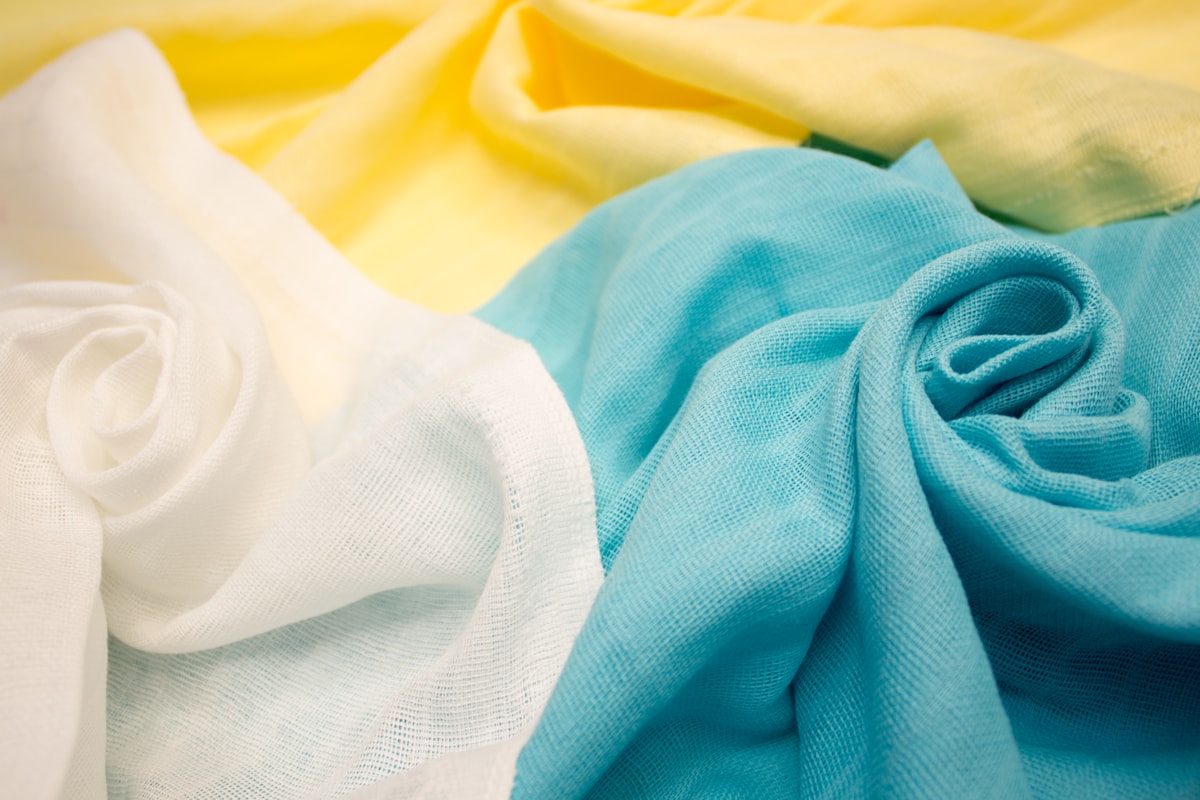
It's the cheapest upgrade in running, and most people get it wrong: the fabric your socks are made of. Cotton feels soft in the shop, but on a hot, sweaty run it works against you. Here's the honest comparison so you can choose well.
The problem with cotton
Cotton is comfortable at rest, but it has one fatal flaw for running: it absorbs sweat and holds it against your skin. Once it's wet, it stays wet. That means:
- Blisters — damp skin plus friction is the classic blister recipe. (How blisters form →)
- Slipping — a soaked, heavy sock shifts inside the shoe and wastes energy.
- Odour — sweat trapped against the skin is exactly what odour-causing bacteria feed on. (Why feet smell →)
In a hot, humid climate, cotton is the worst choice you can make.
Why synthetic (technical) fabric wins for running
Technical synthetic fibres — and performance blends like BioMax — are engineered to move sweat away from the skin and dry fast. That keeps the foot drier, lighter and more stable. They also:
- Hold their shape and compression better
- Resist odour when made with antibacterial fibres
- Dry quickly between sessions
This is why nearly every dedicated running sock is technical fabric, not pure cotton.
So is cotton ever fine?
For walking around or very short, easy efforts in cool weather, a cotton-blend sock is comfortable enough. The trouble starts with heat, humidity, distance and intensity — exactly when most of us actually run. For anything that makes you sweat, technical fabric wins.
Note: a small amount of cotton in a blend (for softness) is different from a pure-cotton sock. VANTAGE V1, for example, uses a cotton-blend with BioMax for a softer feel that still wicks, while the V1 Pro goes higher on BioMax for maximum fast-drying performance. (V1 vs V1 Pro →)
What to actually look for
- Fast-drying technical fabric as the main fibre
- A snug, supportive fit with light compression around the arch and ankle
- A non-slip sole to keep the foot planted
- Flat seams at the toe to avoid rubbing
Frequently Asked Questions
Are cotton socks bad for running?
For anything that makes you sweat, yes. Cotton absorbs sweat and holds it against the skin, which leads to blisters, slipping and odour. Fast-drying technical fabric keeps feet far drier and more comfortable.
What are the best material socks for running?
Technical synthetic fabrics or performance blends (like BioMax) that wick sweat and dry fast. They keep the foot dry, hold their shape and compression, and resist odour better than cotton.
Why do running socks use synthetic fabric?
Because it moves sweat off the skin and dries quickly, keeping feet drier and more stable. That reduces blisters, slipping and odour — all of which cotton makes worse once it's wet.
Is a cotton-blend sock okay for running?
A blend with a small amount of cotton for softness can still wick well if the main fibre is technical. A pure-cotton sock is the one to avoid for sweaty, longer or faster runs.
Run in the right fabric. Shop VANTAGE socks → — BioMax fast-drying fabric and a Hexa-Grip non-slip sole, made in Korea.